
"Weaponization, war, conflict, dual use, economic hollowing out – these aren't interferences in the energy transition. They are the energy transition in motion."
9-6-2026
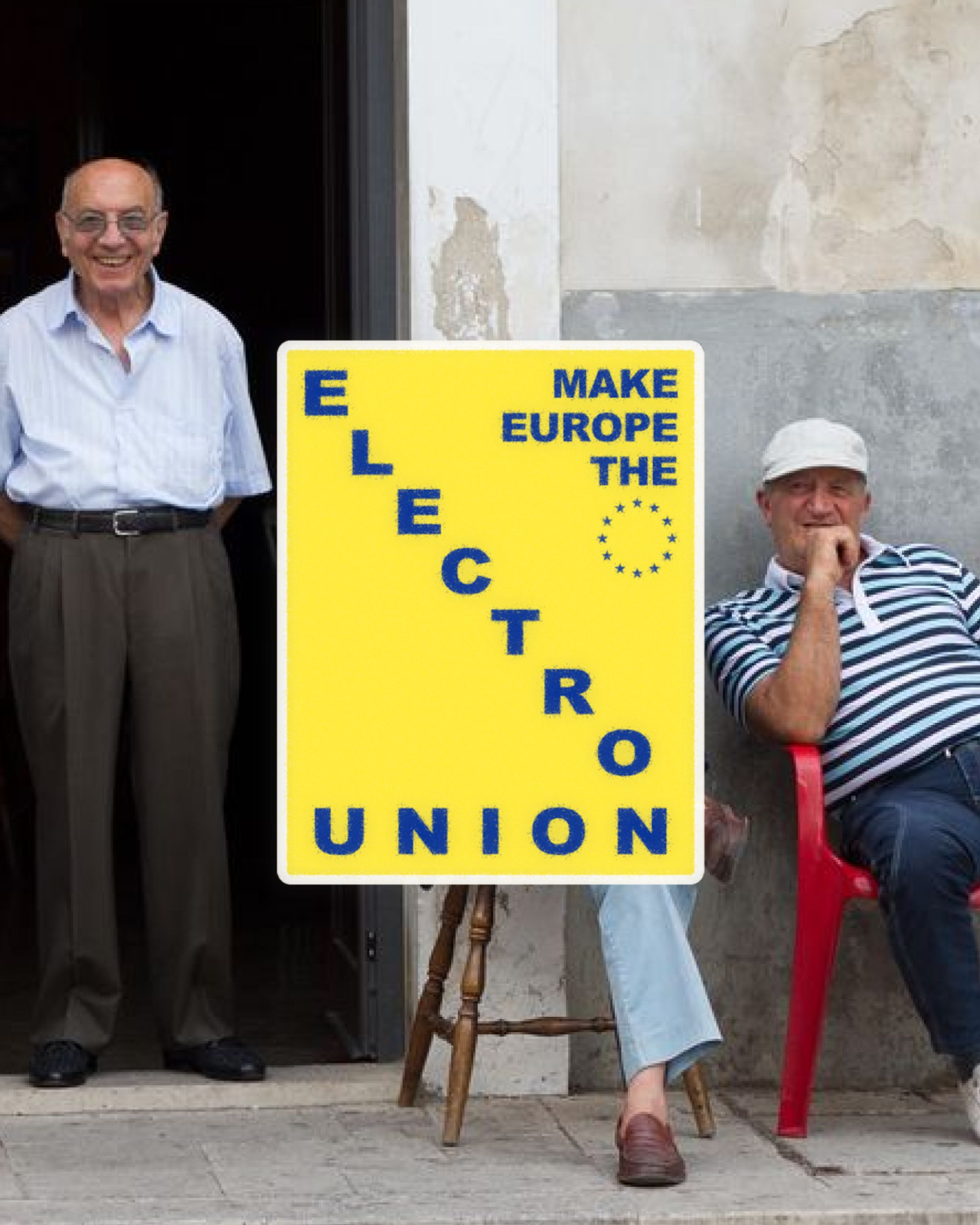
Europe as the Electro Union
To explore how Europe can strengthen its energy independence while building a more resilient economy, Norrsken published a two-part essay series by geopolitical analyst Olivia Lazard.
The essays build on the vision Norrsken previously outlined in its open letter on the Electro Union: the idea that electrification is not only a climate imperative, but also an economic and geopolitical necessity. According to Norrsken, clean electricity generated from wind, solar, hydro and nuclear power offers Europe a unique opportunity to strengthen its energy independence, industrial competitiveness and long-term resilience.
Together, the essays further develop the concept of the Electro Union: a vision in which electrification is not simply a climate strategy, but the foundation for Europe's next economic and geopolitical chapter.
As Lazard writes: "Weaponization, war, conflict, dual use, economic hollowing out – these aren't interferences in the energy transition. They are the energy transition in motion."
In the first essay, she lays out her diagnosis of Europe's position in a rapidly changing world order. In the second, she explores the conditions and concrete steps needed to build a more resilient, energy-independent and economically competitive Europe.
Part 1: The Diagnosis
An analysis of the challenges Europe faces and why the energy transition cannot be separated from questions of security, industrial policy and geopolitics.
→ Read Part 1 here
Part 2: The Architecture
A continuation of the first essay, presenting a framework of twelve concrete actions needed to transform Europe into an Electro Union and build the foundations of a new energy-economic model.
→ Read Part 2 here
These articles were originally published by Norrsken and are shared here because they offer a thought-provoking perspective on the relationship between energy, geopolitics, industrial transformation and systems change.